Introduction
For many home bakers, the joy of baking starts long before the oven is turned on. Choosing ingredients, preparing the dough or batter, experimenting with flavors, and finally seeing something delicious come out of the oven are all part of the experience. But there is another way to make homemade baking even more rewarding: growing some of your own ingredients.
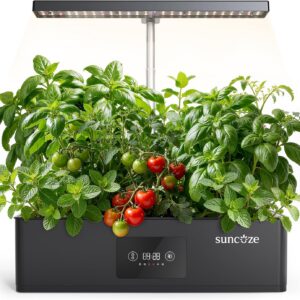
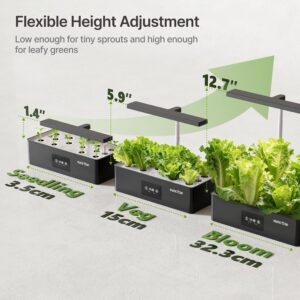
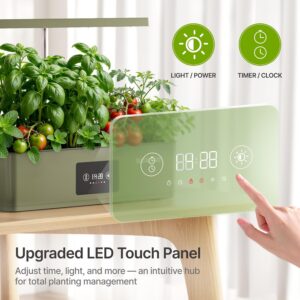
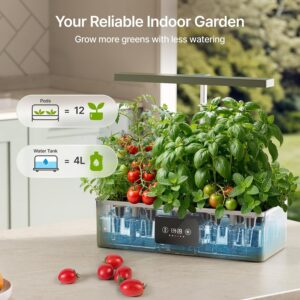
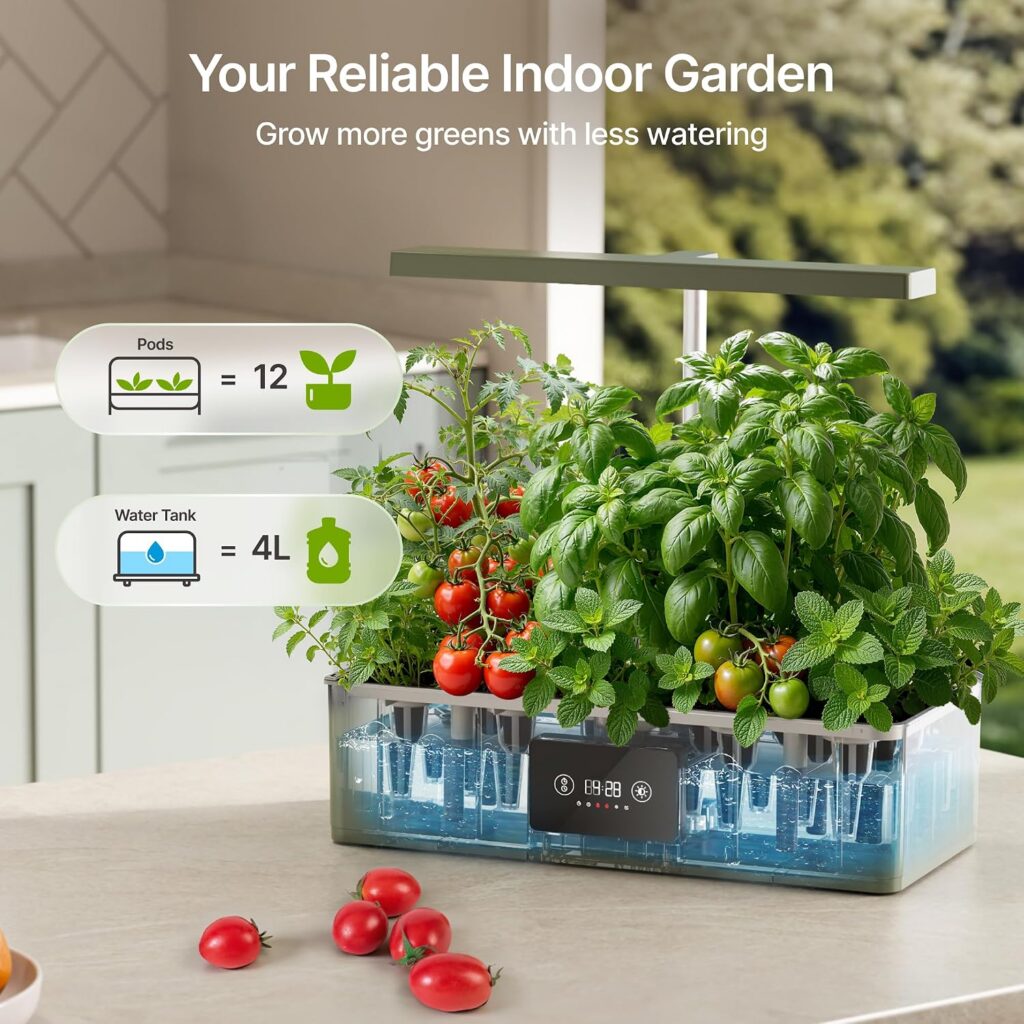
Indoor LED growing systems make it possible to grow fresh herbs and other edible plants throughout the year, even if you do not have a garden, greenhouse, or particularly sunny kitchen. These compact systems combine a growing area with LED lights designed to provide plants with the light they need. Some also include water reservoirs, automatic timers, and simple controls, making them accessible to people who have little or no gardening experience.
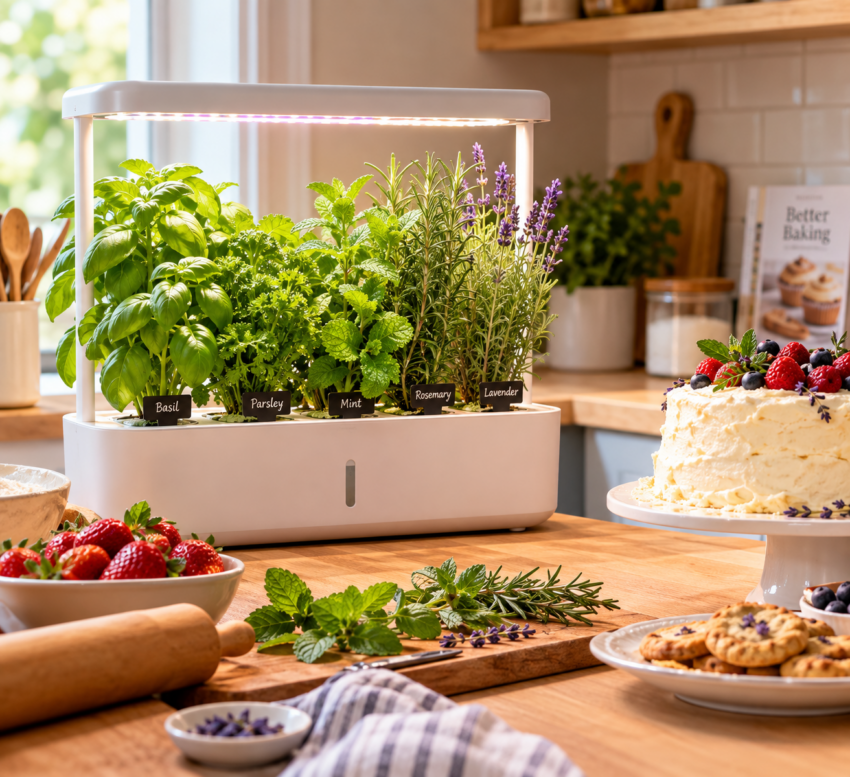
For bakers, this can be particularly interesting because many plants used in baking do not require a large amount of growing space. Mint, basil, rosemary, thyme and lavender can all be useful in the kitchen. Depending on the system and growing conditions, you may also be able to grow smaller edible plants or use fresh herbs and flowers to decorate cakes, cupcakes and other desserts.
One of the biggest advantages is freshness. Store-bought herbs can sit on a supermarket shelf or in a refrigerator for days before they are used. When you grow your own, you can harvest exactly what you need immediately before baking. A few fresh mint leaves can go into a dessert, for example, while lavender or rosemary can add a distinctive flavor to cakes, cookies and breads. Freshly harvested ingredients can also make an attractive finishing touch when presentation matters.
Growing indoors also removes much of the seasonality associated with gardening. Outdoor growing depends heavily on weather, temperature and the length of the growing season. An indoor LED system creates a much more controlled environment. This means you can potentially grow useful ingredients during the winter, when an outdoor herb garden may not be practical.
This is especially appealing to people who live in apartments or homes without outdoor space. You do not need a backyard or balcony to get started. A countertop or another suitable indoor location can be enough for a small growing system. For someone who enjoys baking but has never considered gardening, this can be an easy introduction to growing food at home.
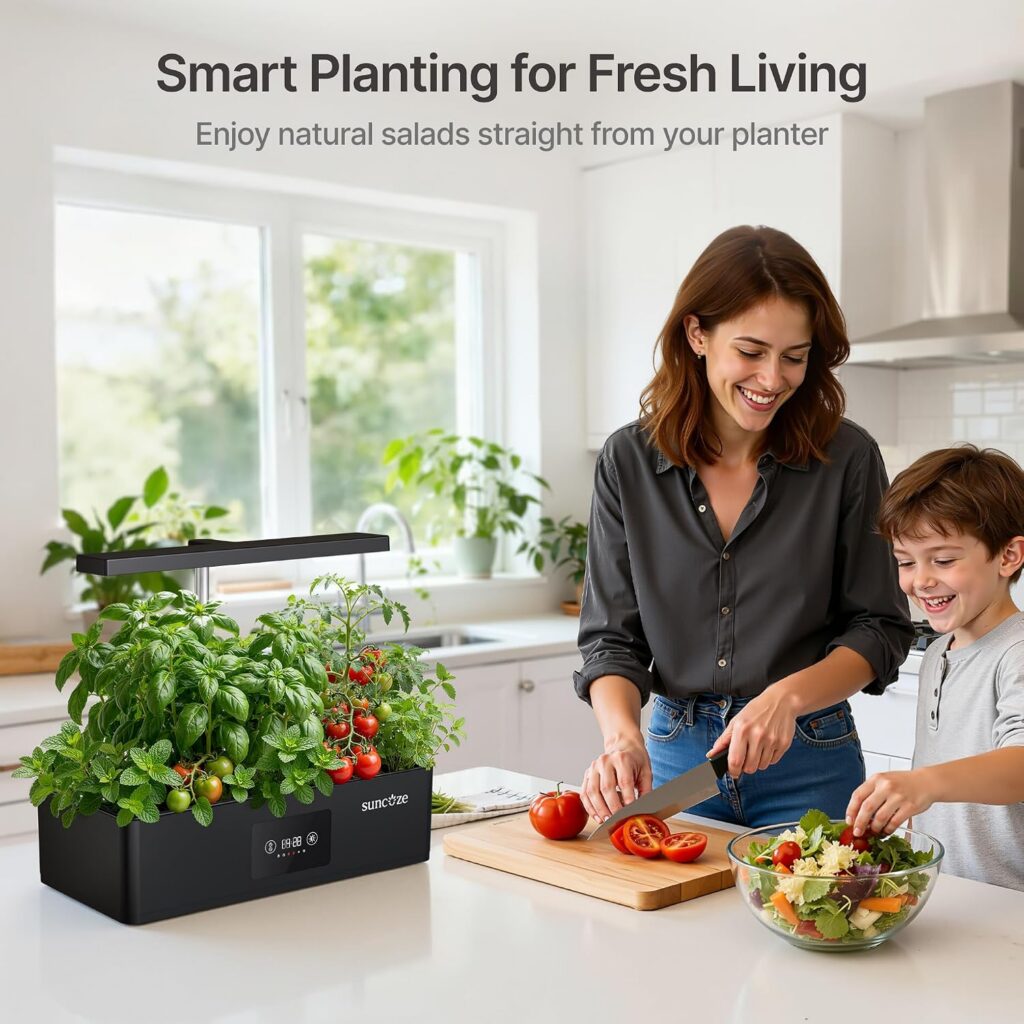
There is also an enjoyable educational aspect. Growing ingredients gives you a better understanding of where some of the flavors used in your recipes come from. Children can watch plants develop from seeds or seedlings into mature plants and then see those ingredients become part of a homemade recipe. For families, this can turn baking into a broader activity that combines gardening, cooking and learning.
Another benefit is having greater control over what you grow. When you grow plants yourself, you know how they have been cared for. You can choose the seeds or plants you want, decide how they are grown, and harvest them when needed. That does not automatically make home-grown produce better or healthier than supermarket ingredients, but it can provide greater transparency and a stronger connection with the food you use.
Of course, an LED growing system is not a replacement for a supermarket or traditional garden. Most countertop systems are designed for relatively small quantities of plants. They are better suited to supplying fresh herbs and occasional ingredients than replacing your regular grocery shopping. There is also an initial purchase cost, and plants require some attention. Water needs to be replenished, plants may need pruning, and growing systems may require cleaning from time to time.
Electricity consumption is another consideration. LED lights are generally efficient compared with older types of grow lighting, but running a light for many hours every day still uses electricity. Some systems also use pumps or other components that consume additional power.
For these reasons, an indoor LED growing system makes the most sense when you see it as a convenient way to grow a small selection of fresh ingredients rather than as a way to produce large amounts of food.
So who is it really for? It is a good option for curious home bakers who enjoy experimenting with flavors, people who want fresh herbs available throughout the year, apartment dwellers with limited outdoor space, and anyone who likes the idea of harvesting an ingredient moments before using it in a recipe. It can also appeal to people who simply enjoy having something growing in their kitchen.
The real attraction is the combination of convenience and enjoyment. Instead of buying a packet of dried herbs or a small plastic container of fresh leaves, you can grow something yourself and incorporate it directly into your baking. The growing process becomes part of the hobby, and the finished cake, bread or dessert becomes the final step in that process.
Key Benefits
Fresh Ingredients Whenever You Need Them
Perhaps the biggest advantage is immediate access to fresh ingredients. Rather than planning a shopping trip around a recipe, you can harvest small quantities when you need them.
Fresh herbs can be particularly useful for recipes such as:
- Herb breads and savory pastries
- Lemon and mint desserts
- Rosemary cookies
- Lavender cakes
- Freshly decorated cupcakes
- Fruit desserts with fresh herbs
- Homemade flavored syrups and toppings
Year-Round Growing
Indoor systems are not dependent on outdoor seasons. With suitable temperatures and adequate lighting, you can continue growing throughout the year.
This can be especially valuable during winter when outdoor herb gardens are dormant or unavailable.
Ideal for Small Spaces
A countertop growing system can be suitable for apartments, condos and homes without gardens. You do not need a large outdoor growing area to produce useful quantities of herbs.
Less Gardening Experience Required
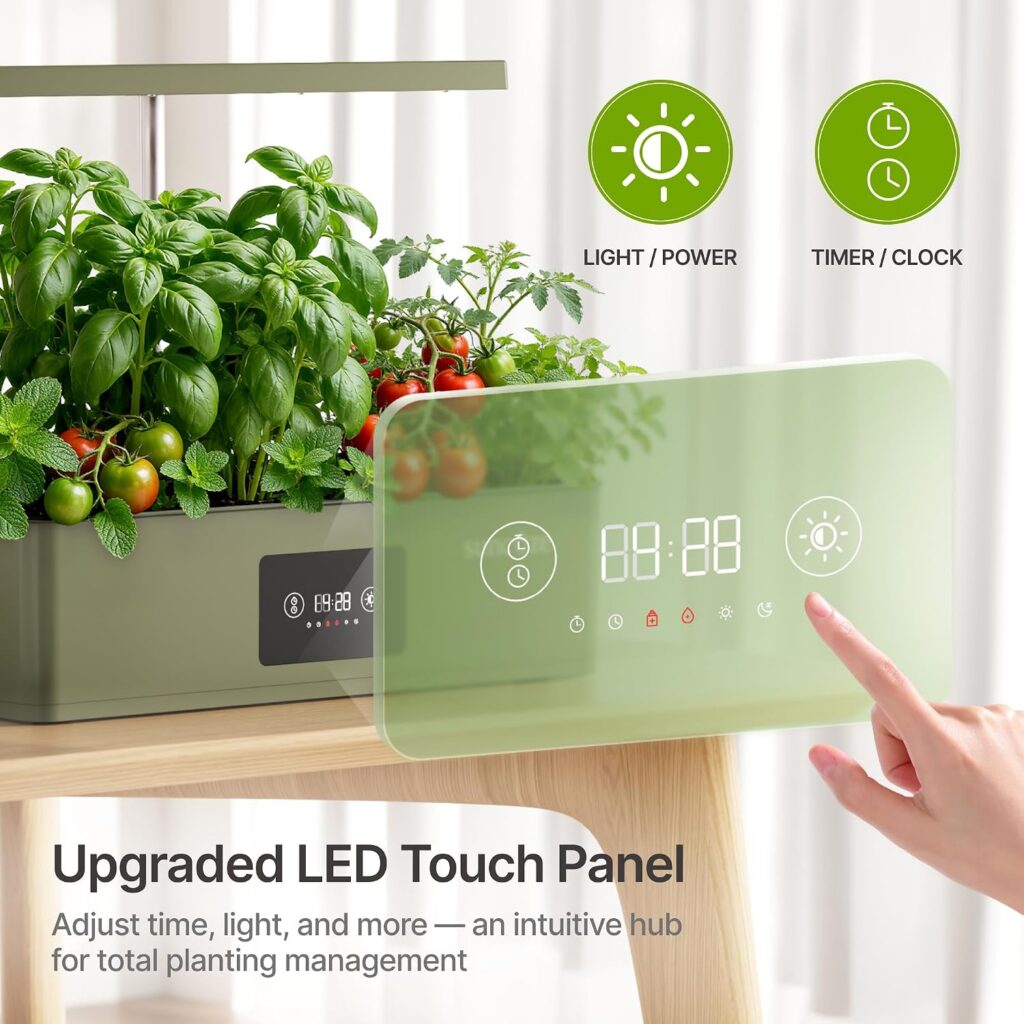
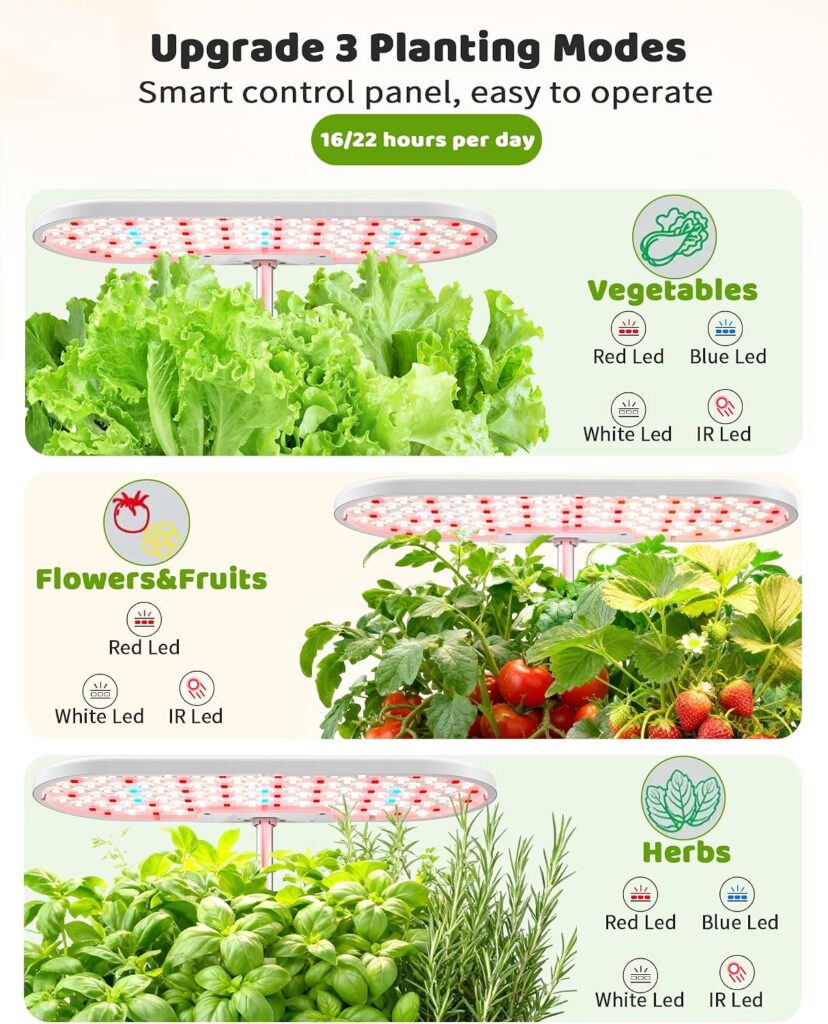
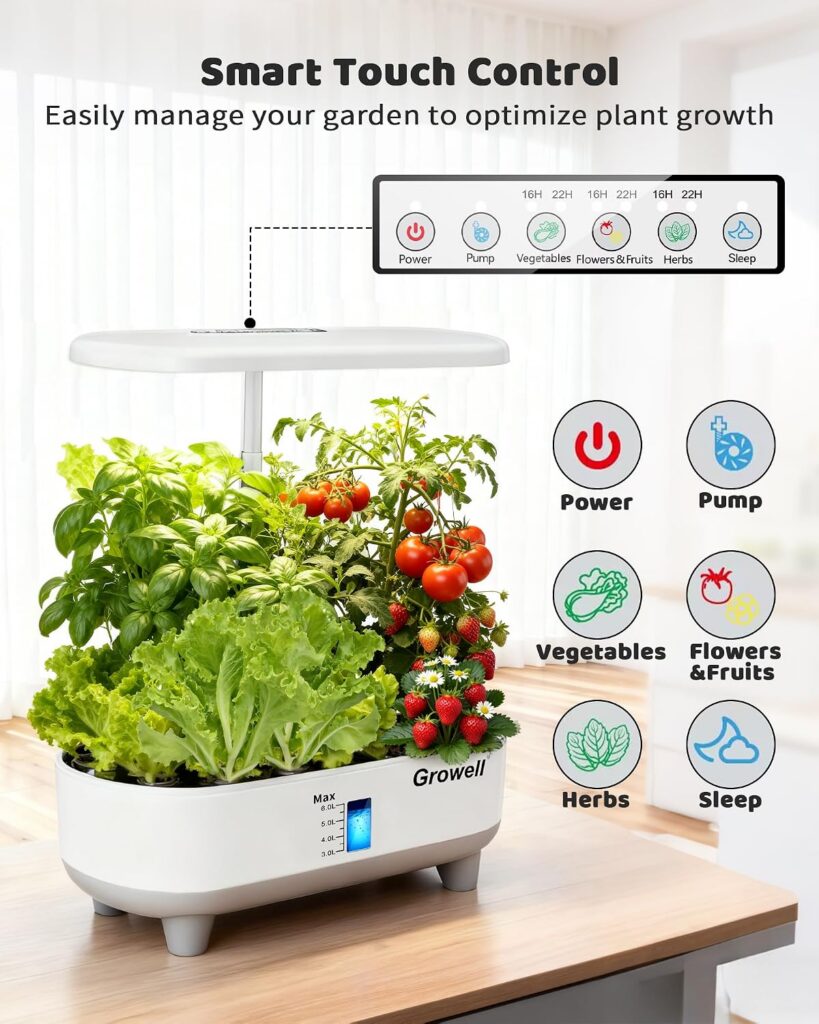
Many modern systems are designed to simplify growing. Features such as automatic lighting schedules, water reservoirs and simple controls can reduce some of the work associated with traditional gardening.
That makes them approachable for beginners.
Harvest Only What You Need
Instead of buying a large bunch of herbs for a recipe that requires only a small amount, you can take what you need and leave the rest of the plant growing.
This can potentially reduce food waste, particularly when you regularly use small amounts of fresh herbs.
A More Enjoyable Baking Experience
Growing your own ingredients adds another dimension to baking. There is satisfaction in using something you have grown yourself, and the process can make familiar recipes feel more personal.
Pros and Cons
Pros
- Fresh ingredients: Harvest herbs immediately before using them.
- Year-round growing: Indoor systems are not dependent on outdoor seasons.
- Small footprint: Many systems can fit on a kitchen counter or shelf.
- Beginner-friendly: Automated lighting and watering features can simplify growing.
- Convenient: Fresh ingredients are available without an additional trip to the store.
- Less waste: Harvest only the amount you need.
- Experimentation: Growing unusual herbs can encourage you to try new recipes.
- Educational: A useful way for children and beginners to learn about growing food.
- Decorative: Plants can add some greenery to a kitchen.
- Good for apartments: No garden or balcony is required.
Cons
- Initial cost: A good-quality growing system costs more than simply buying fresh herbs.
- Limited production: Countertop systems generally produce relatively small quantities.
- Electricity use: LED lights need to operate regularly, which adds to household energy consumption.
- Maintenance: Plants still require water, pruning and occasional attention.
- Cleaning: Water reservoirs and growing components need to be kept clean.
- Not every plant is suitable: Larger plants and crops generally require considerably more space.
- Replacement supplies: Some systems use proprietary seed pods or growing accessories.
- Growing takes time: An indoor system does not provide instant ingredients. Plants still need time to grow.
User Experience
People who enjoy indoor growing often describe the experience as being about more than simply producing ingredients. The convenience is certainly important, but many users also enjoy watching plants develop and having something growing in their kitchen.
For a home baker, one common use case is keeping a small selection of herbs available for recipes. A baker might grow mint for desserts, basil for certain sweet or savory recipes, rosemary for bread, or lavender for cakes and cookies. Rather than growing a large quantity, the system functions almost like a living ingredient cupboard.
Another common use case is spontaneous baking. You may decide to make a cake or dessert and realize that fresh herbs would work well with the recipe. Instead of buying an entire package of an ingredient that may only be used once, you can harvest a small amount from the plants already growing at home.
Indoor growing can also encourage experimentation. Having fresh ingredients readily available makes it easier to try combinations that you might not normally consider. A simple cake can become a lemon-and-mint dessert, while fresh rosemary can inspire a different style of bread or cookie.
Families can find the experience enjoyable as well. Children can participate in planting, checking the plants and eventually harvesting them for a recipe. This gives them a practical connection between growing food and preparing meals.
However, expectations are important. An indoor LED growing system is not completely maintenance-free. Plants are living things, and even automated systems require some attention. Users who expect to install the system once and never think about it again may be disappointed.
The experience also depends heavily on what you want to grow. If your goal is to produce large quantities of vegetables or fruit, a small countertop system may not be appropriate. If your goal is to have fresh herbs and small edible plants available for baking and cooking, the same system can be considerably more useful.
Ultimately, the people most likely to enjoy indoor growing are those who see it as both a practical tool and a hobby. The ability to harvest something fresh is useful, but watching it grow is part of the appeal.
Verdict / Conclusion
An LED growing system can be a worthwhile addition to a baker’s kitchen, particularly if you regularly use fresh herbs, enjoy experimenting with flavors, or simply like the idea of growing some of your own ingredients.
The biggest advantage is convenience. Fresh ingredients can be growing just a few steps away from your oven, regardless of the season or whether you have access to a garden. For people living in apartments or other homes with limited outdoor space, this can be particularly attractive.
However, it is important to approach the purchase realistically. These systems are generally designed for small-scale growing, not for replacing your grocery store. You will also need to spend some time looking after the plants and accept the additional electricity and equipment costs.
So, should everyone get one? Probably not. If you rarely use fresh herbs and have little interest in growing plants, buying ingredients when you need them will probably be simpler and cheaper.
For enthusiastic home bakers, curious beginners, families, and anyone who likes having fresh ingredients available year-round, however, an indoor LED growing system can be a fun and practical investment.
The best reason to buy one is not simply to save money on herbs. It is the combination of freshness, convenience, experimentation and the satisfaction of using something you grew yourself. When that home-grown ingredient eventually becomes part of a cake, loaf of bread or dessert, the growing process becomes another enjoyable part of baking.
—
Master the Art of Baking with Expert Guidance
Your Ultimate Source for Baking Tips, Ingredients, and Tools
Unlock Baking Success Every Time
Struggling to get that perfect rise or golden crust? Baking can be challenging without the right knowledge and resources. Missing key details about ingredients or using the wrong tools often leads to frustration and disappointing results.
Say Goodbye to Baking Guesswork
Our website provides clear, reliable information about baking techniques, essential ingredients, and the best tools to elevate your baking game. We help you avoid common pitfalls so you can bake with confidence and consistency.
Transform Your Baking Experience
Imagine pulling fresh, delicious baked goods from your oven every time — impressing family and friends with your skills. With our expert advice and detailed guides, you’ll gain the knowledge you need to bake like a pro, turning your kitchen into a haven of creativity and delicious delights.
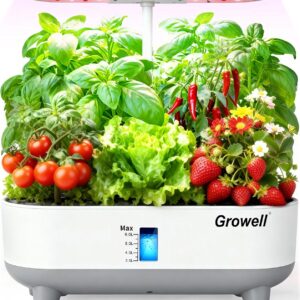
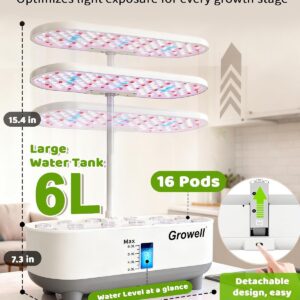
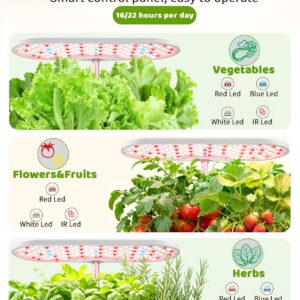
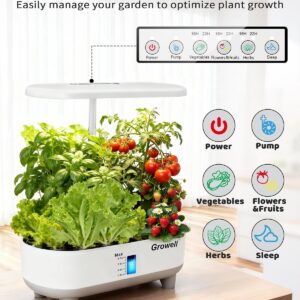
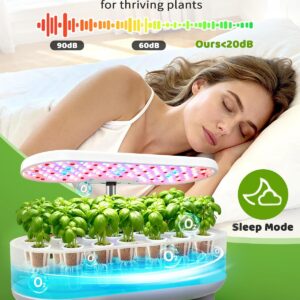
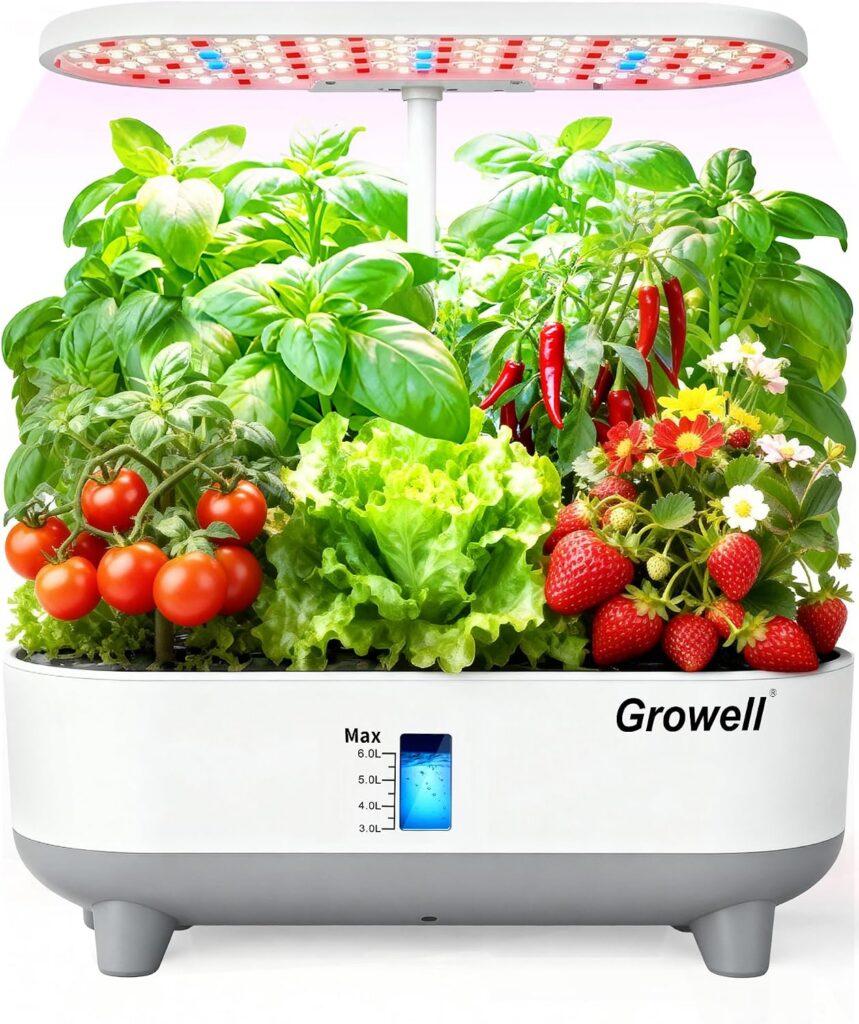
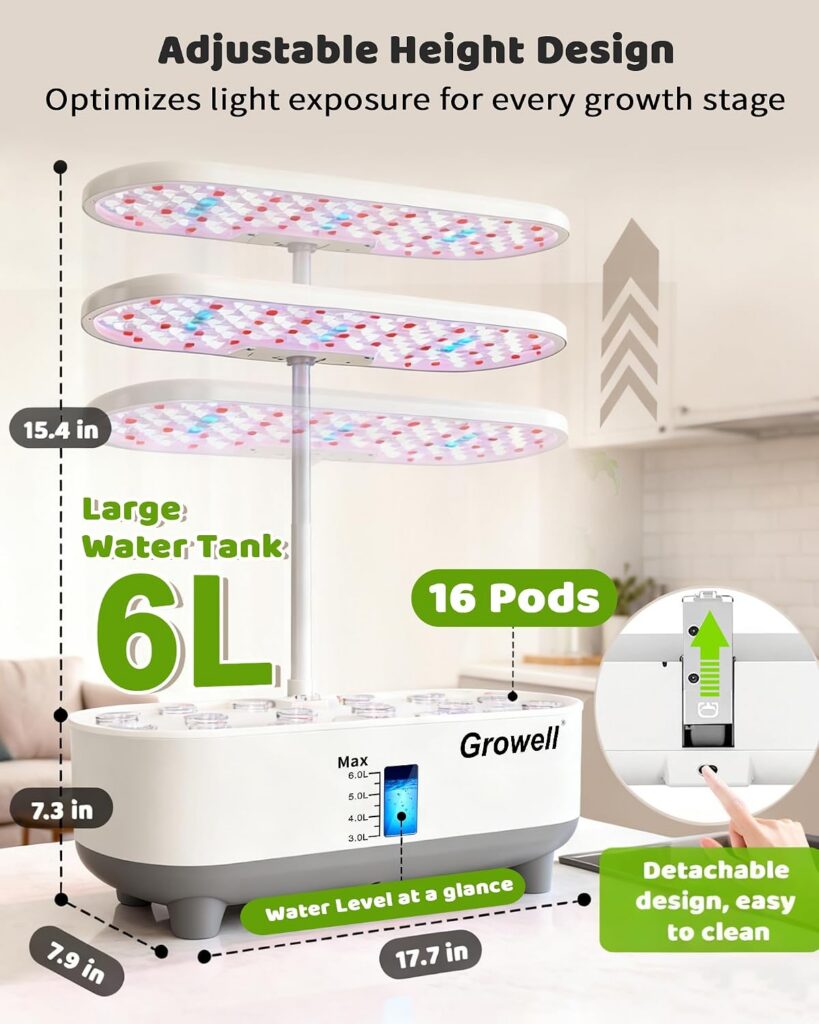
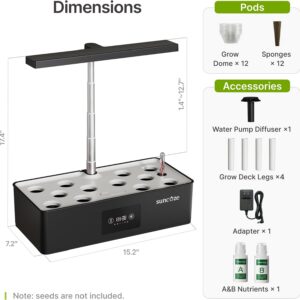
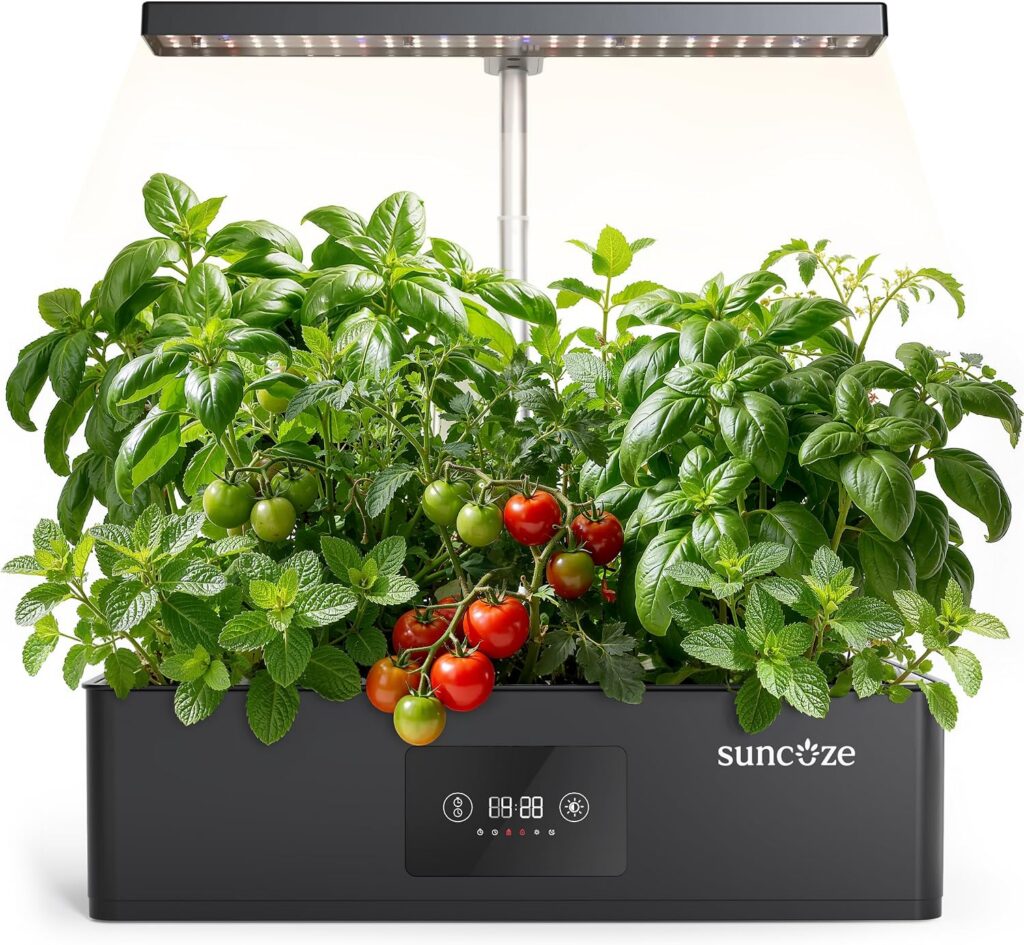
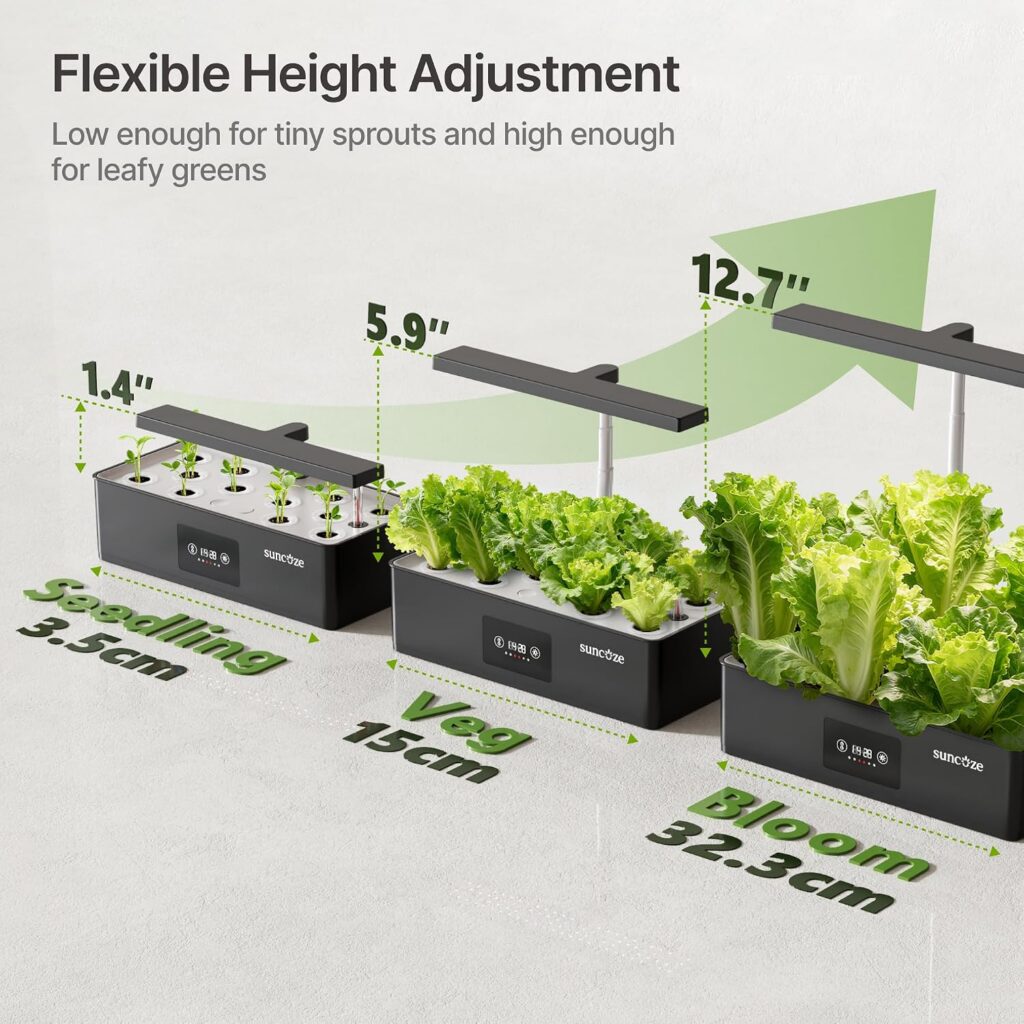
Growell Hydroponics Growing System Kit 16-pod